Buy e-accounting.eu ?
We are moving the project
e-accounting.eu .
Are you interested in purchasing the domain
e-accounting.eu ?
domain@kv-gmbh.de · 0541-91531010
Buy e-accounting.eu ?
How do E. coli bacteria multiply?
E. coli bacteria multiply through a process called binary fission. During binary fission, the bacteria first replicate their genetic material, then the cell elongates and the replicated genetic material is evenly distributed to opposite ends of the cell. Finally, the cell divides into two daughter cells, each containing a complete set of genetic material. This process allows E. coli bacteria to rapidly increase their population under favorable conditions. **
Who invented bacteria?
The discovery of bacteria is attributed to Dutch scientist Antonie van Leeuwenhoek. He is considered the "Father of Microbiology" and is credited with being the first person to observe and document bacteria using a microscope in the 17th century. **


Similar search terms for Bacteria
Top-Angebote
Products related to Bacteria:
-
Multisell Products Hub DIY Voice Control Light Switch Module For Smart Home Automation With Tuya, Alexa & Google Home Integration DIY Voice Control Light Switch Module For Smart Home Automation With Tuya, Alexa & Google Home IntegrationUpgrade your home with the DIY Light Switch Module, bringing cuttingedge smart home automation to your fingertips. Perfect for those who want seamless control over their lighting and appliances, this module easily integrates with Alexa and Google...34,97 $*Shipping: 0,00 $Secure redirect to the provider
-
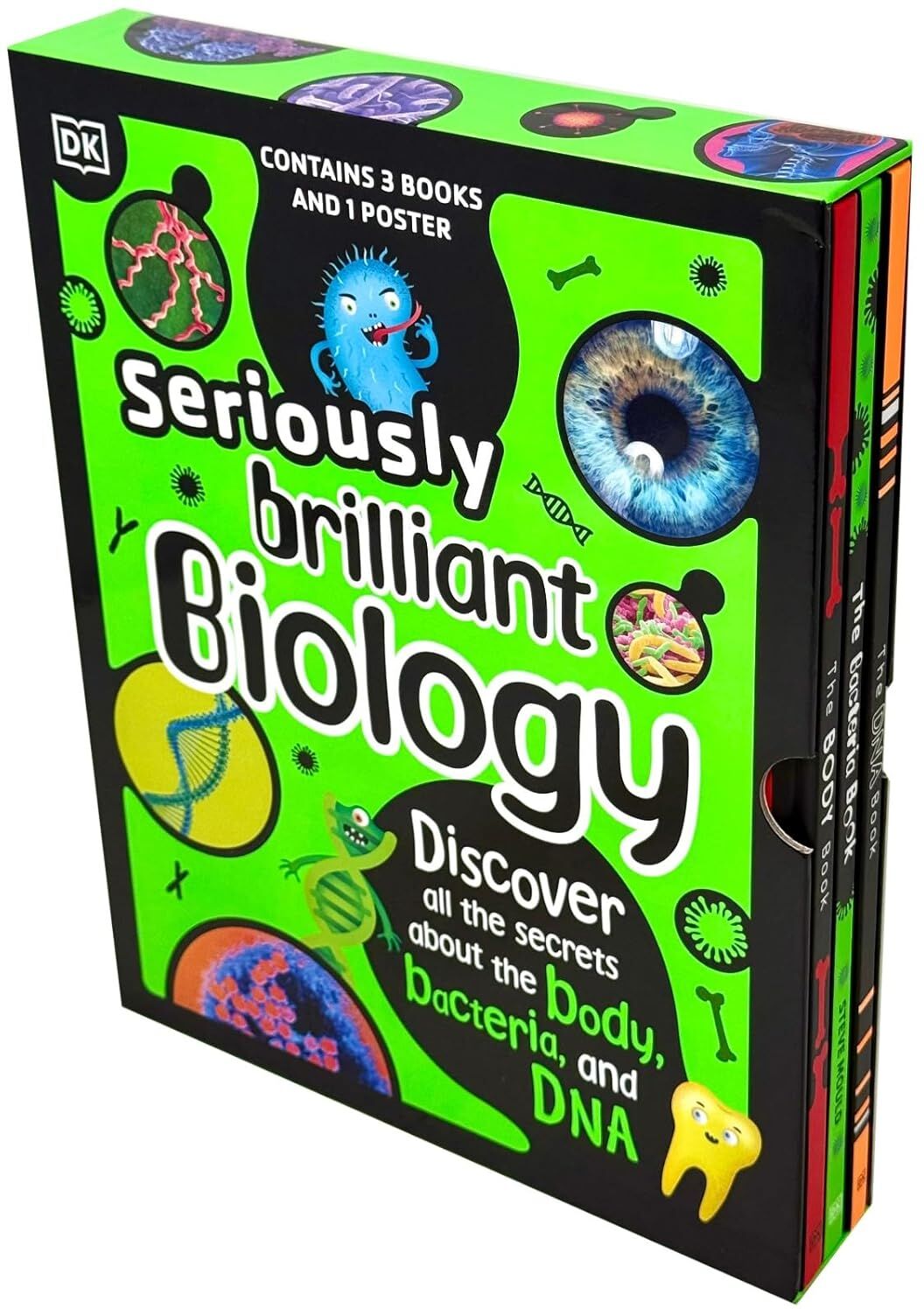
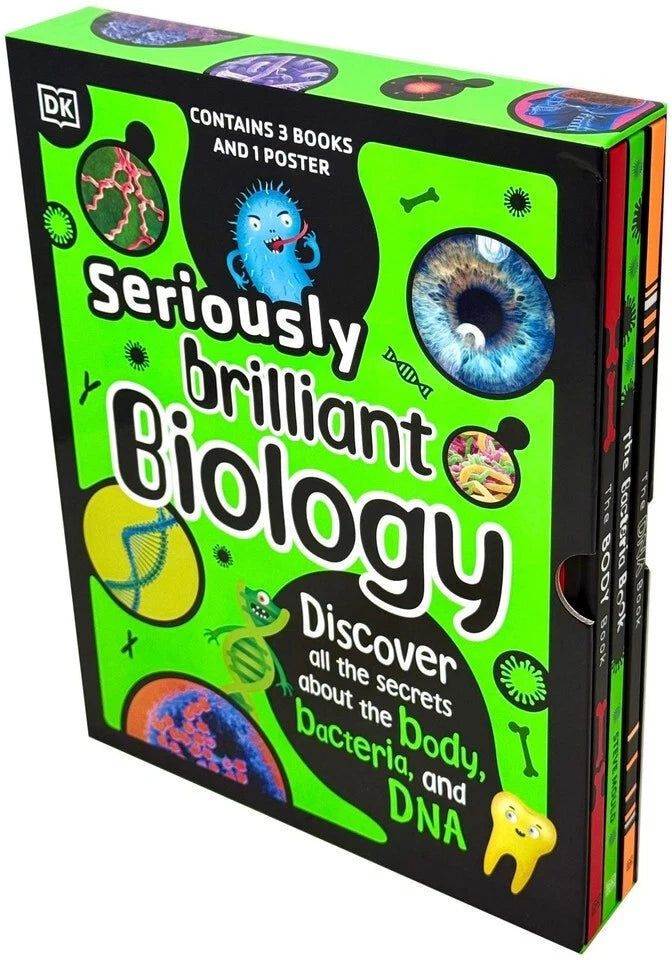
DK Children DK Seriously Brilliant Biology 3 Books Box Set and 1 Poster (The Body Book, The DNA Book and The Bacteria Book)The Body Book: It's inside every living plant and animal, from the tiniest seed to the person standing next to you, but how much do you know about DNA? This book gives children an in-depth look at DNA and its role in all living things--from why we have different-colored eyes to why we age. Discover what DNA is, what it does, and how it shapes our lives, including inheritance and why we look like our parents; forensic science and how DNA evidence helps catch criminals; and genetic engineering and if we could bring dinosaurs back to life. With fun illustrated DNA characters, clear diagrams, and astonishing photographs, children will love learning about themselves and this all-important molecule. The Body Book : Your body is awe-inspiring, amazing and miraculous. Your heart pumps blood all around your body to keep you alive and carry you around every single day. It keeps you alive and carries you around every day. But how much do you really know about what's going on beneath the surface? Jump on board as DK takes you on a fun-filled journey under your skin, through your insides, and back in time to explore milestones in medicine and the latest scientific discoveries about the human body. Are you coming? The Bacteria Book: What do glowing squid, mouldy bread, and soil creatures all have in common? They're all part of the world of microbiology! In this awesome introductory book for budding scientists, the big world of tiny organisms is revealed with remarkable photography, kooky characters, and lots of fun facts.12,99 £*Shipping: 2,99 £Secure redirect to the provider
-
DK Seriously Brilliant Biology 3 Books Collection Set - The Body Book, The DNA Book & The Bacteria Book - Hardback - Ages 7-9 - Science Gift SetThe DK Seriously Brilliant Biology 3 Books Collection Set includes The Body Book, The DNA Book, and The Bacteria Book. Written for children aged 7-9, each title breaks down a big biological topic into bite-sized, illustrated chunks. The set covers human anatomy, genetics, and microbiology, making it a great addition to any home library or classroom shelf. The Body Book explores human anatomy, including the brain, skeleton, and immune system, while The DNA Book delves into the molecule found in every living thing. The Bacteria Book completes the set, offering a comprehensive look at microbiology. The books are written and reviewed by real science communicators, including bestselling author Steve Mould, to ensure accurate and engaging information for young scientists.12,99 £*Shipping: 2,99 £Secure redirect to the provider
-
Gamegenic Magic: The Gathering Reality Fracture Premium Art Sleeves - Chandra, Chill of Compliance - Gamegenic Chandra, Chill of ComplianceProtect your Magic: The Gathering cards with style using the Gamegenic Reality Fracture Premium Art Sleeves featuring Chandra, Chill of Compliance. These sleeves combine everyday protection with artwork inspired by the Reality Fracture setting, making them perfect for players who want dependable card protection without losing the character of their collection. They help shield cards from handling, surface wear, and minor marks during play, deck building, and storage. The sleeves are designed for Magic: The Gathering cards and are available in a retail pack. Pair them with a compatible deck box or card storage solution for a coordinated setup.9,39 £*Shipping: 3,95 £Secure redirect to the provider


-
Are bacteria protists?
No, bacteria are not protists. Bacteria are single-celled microorganisms that lack a nucleus and other membrane-bound organelles, and they belong to the domain Bacteria. On the other hand, protists are a diverse group of eukaryotic microorganisms that can be single-celled or multicellular, and they belong to the domain Eukarya. Therefore, bacteria and protists are two distinct groups of microorganisms with different characteristics and evolutionary histories. **
-
Why do E. coli bacteria take up so much lactose?
E. coli bacteria take up lactose as a source of energy. Lactose is a disaccharide composed of glucose and galactose, which can be broken down by the enzyme beta-galactosidase into these simpler sugars that can be used by the bacteria for energy production. This ability to utilize lactose as a carbon source provides E. coli with a competitive advantage in environments where lactose is present, allowing them to outcompete other bacteria. **
-
What does the surface of E. coli bacteria look like?
The surface of E. coli bacteria is covered in a layer of lipopolysaccharides, which are complex molecules made up of lipids and sugars. These lipopolysaccharides form the outer membrane of the bacteria, providing protection and serving as a barrier to the external environment. Additionally, E. coli bacteria have flagella, which are long, whip-like appendages that extend from the surface and allow the bacteria to move. Overall, the surface of E. coli bacteria is complex and plays a crucial role in the bacteria's survival and function. **
-
How can one get rid of E. coli bacteria in dogs?
To get rid of E. coli bacteria in dogs, it is important to consult a veterinarian for proper diagnosis and treatment. Treatment typically involves antibiotics prescribed by the vet. It is also important to practice good hygiene, such as washing your hands after handling your dog and properly cleaning up after them to prevent the spread of the bacteria. Additionally, ensuring your dog has a healthy diet and clean water can help boost their immune system to fight off infections. **


How can bacteria survive?
Bacteria can survive in various ways, including forming spores that are resistant to harsh conditions, developing antibiotic resistance through genetic mutations, and forming biofilms that protect them from environmental stress. Additionally, bacteria can adapt to different environments by utilizing various metabolic pathways to obtain nutrients and energy. Some bacteria can also exchange genetic material through horizontal gene transfer, allowing them to acquire new traits that help them survive in changing conditions. **
How do bacteria feed?
Bacteria feed by absorbing nutrients from their environment through a process called diffusion. They release enzymes that break down complex molecules into simpler forms that can be easily absorbed. Some bacteria are able to engulf food particles through a process called phagocytosis. Overall, bacteria have diverse feeding strategies and can utilize a wide range of organic and inorganic compounds for their nutrition. **
Top-Angebote
Products related to Bacteria:
-
iSpring FC15-BV Replacement Water Filter, CTO + Pleated Water Filter Cartridge for US31-BV & CW31-BV, Removes Bacteria & VirusesFeatures: Bacteria & Virus Removal: Lasts up to 12 months, the FC15-BV water filter replacement combines a pleated filter with activated carbon (CTO) to deliver superior filtration performance.62,99 $*Shipping: 0,00 $Secure redirect to the provider
-
Multisell Products Hub DIY Voice Control Light Switch Module For Smart Home Automation With Tuya, Alexa & Google Home Integration DIY Voice Control Light Switch Module For Smart Home Automation With Tuya, Alexa & Google Home IntegrationUpgrade your home with the DIY Light Switch Module, bringing cuttingedge smart home automation to your fingertips. Perfect for those who want seamless control over their lighting and appliances, this module easily integrates with Alexa and Google...34,97 $*Shipping: 0,00 $Secure redirect to the provider
-
DK Children DK Seriously Brilliant Biology 3 Books Box Set and 1 Poster (The Body Book, The DNA Book and The Bacteria Book)The Body Book: It's inside every living plant and animal, from the tiniest seed to the person standing next to you, but how much do you know about DNA? This book gives children an in-depth look at DNA and its role in all living things--from why we have different-colored eyes to why we age. Discover what DNA is, what it does, and how it shapes our lives, including inheritance and why we look like our parents; forensic science and how DNA evidence helps catch criminals; and genetic engineering and if we could bring dinosaurs back to life. With fun illustrated DNA characters, clear diagrams, and astonishing photographs, children will love learning about themselves and this all-important molecule. The Body Book : Your body is awe-inspiring, amazing and miraculous. Your heart pumps blood all around your body to keep you alive and carry you around every single day. It keeps you alive and carries you around every day. But how much do you really know about what's going on beneath the surface? Jump on board as DK takes you on a fun-filled journey under your skin, through your insides, and back in time to explore milestones in medicine and the latest scientific discoveries about the human body. Are you coming? The Bacteria Book: What do glowing squid, mouldy bread, and soil creatures all have in common? They're all part of the world of microbiology! In this awesome introductory book for budding scientists, the big world of tiny organisms is revealed with remarkable photography, kooky characters, and lots of fun facts.12,99 £*Shipping: 2,99 £Secure redirect to the provider
-
How do E. coli bacteria multiply?
E. coli bacteria multiply through a process called binary fission. During binary fission, the bacteria first replicate their genetic material, then the cell elongates and the replicated genetic material is evenly distributed to opposite ends of the cell. Finally, the cell divides into two daughter cells, each containing a complete set of genetic material. This process allows E. coli bacteria to rapidly increase their population under favorable conditions. **
-
Who invented bacteria?
The discovery of bacteria is attributed to Dutch scientist Antonie van Leeuwenhoek. He is considered the "Father of Microbiology" and is credited with being the first person to observe and document bacteria using a microscope in the 17th century. **
-
Are bacteria protists?
No, bacteria are not protists. Bacteria are single-celled microorganisms that lack a nucleus and other membrane-bound organelles, and they belong to the domain Bacteria. On the other hand, protists are a diverse group of eukaryotic microorganisms that can be single-celled or multicellular, and they belong to the domain Eukarya. Therefore, bacteria and protists are two distinct groups of microorganisms with different characteristics and evolutionary histories. **
-
Why do E. coli bacteria take up so much lactose?
E. coli bacteria take up lactose as a source of energy. Lactose is a disaccharide composed of glucose and galactose, which can be broken down by the enzyme beta-galactosidase into these simpler sugars that can be used by the bacteria for energy production. This ability to utilize lactose as a carbon source provides E. coli with a competitive advantage in environments where lactose is present, allowing them to outcompete other bacteria. **
Similar search terms for Bacteria
-
DK Seriously Brilliant Biology 3 Books Collection Set - The Body Book, The DNA Book & The Bacteria Book - Hardback - Ages 7-9 - Science Gift SetThe DK Seriously Brilliant Biology 3 Books Collection Set includes The Body Book, The DNA Book, and The Bacteria Book. Written for children aged 7-9, each title breaks down a big biological topic into bite-sized, illustrated chunks. The set covers human anatomy, genetics, and microbiology, making it a great addition to any home library or classroom shelf. The Body Book explores human anatomy, including the brain, skeleton, and immune system, while The DNA Book delves into the molecule found in every living thing. The Bacteria Book completes the set, offering a comprehensive look at microbiology. The books are written and reviewed by real science communicators, including bestselling author Steve Mould, to ensure accurate and engaging information for young scientists.12,99 £*Shipping: 2,99 £Secure redirect to the provider
-
Gamegenic Magic: The Gathering Reality Fracture Premium Art Sleeves - Chandra, Chill of Compliance - Gamegenic Chandra, Chill of ComplianceProtect your Magic: The Gathering cards with style using the Gamegenic Reality Fracture Premium Art Sleeves featuring Chandra, Chill of Compliance. These sleeves combine everyday protection with artwork inspired by the Reality Fracture setting, making them perfect for players who want dependable card protection without losing the character of their collection. They help shield cards from handling, surface wear, and minor marks during play, deck building, and storage. The sleeves are designed for Magic: The Gathering cards and are available in a retail pack. Pair them with a compatible deck box or card storage solution for a coordinated setup.9,39 £*Shipping: 3,95 £Secure redirect to the provider
-
Quercus Financial Joy: Set your financial goals for 2026 - Banish Debt, Grow Your Money and Unlock Financial Freedom by Ken and Mary OkoroaforAs seen on ITV's This Morning! A life-changing 10-week plan to help you to turn your life around and design a path to financial freedom, enriched with the small experiences that bring you joy. Stop worrying about money. Start enjoying your life. You might be struggling in debt, living paycheque to paycheque, or worried about preparing for retirement; maybe you're considering your first investment, or you just want an escape plan from the '9 to 5'. Wherever you are on your journey, this book will revolutionize your lifestyle and your relationship with money. Authors Ken and Mary Okoroafor started out as resource-poor, working-class immigrants and have built a life of financial independence and joyful moments through hard work, smart saving and savvy investing. They know what it feels like to start from ground zero, and as a chartered accountant and former CFO, Ken shares his financial expertise to help you unlock the secret to building wealth. You'll learn how to take control of your finances, develop good money habits, become debt-free, invest in assets and multiply your income so you can create the freedom to travel, spend time with your loved ones and plan for a stress-free (early) retirement - all whilst prioritising your wellbeing and having fun! It also includes a dozen real-life interviews with singles, couples and those with children, from different backgrounds, age groups and stages of their money journey, including a few well-known public figures. Financial joy can be achieved by anyone - and it can start today, not tomorrow.5,99 £*Shipping: 2,99 £Secure redirect to the provider
-
Combo Retail Shop Indoor WiFi Security Camera With Audio, Cloud & SD Card Storage Indoor WiFi Security Camera With Audio, Cloud & SD Card StorageIndoor WiFi Security Camera with 2Way Audio, Cloud and SD Card Storage, AI Detection Ensure peace of mind with this Indoor WiFi Home Security Camera designed to provide advanced monitoring features for your home. Whether you want to keep an eye on...44,97 $*Shipping: 0,00 $Secure redirect to the provider
-
What does the surface of E. coli bacteria look like?
The surface of E. coli bacteria is covered in a layer of lipopolysaccharides, which are complex molecules made up of lipids and sugars. These lipopolysaccharides form the outer membrane of the bacteria, providing protection and serving as a barrier to the external environment. Additionally, E. coli bacteria have flagella, which are long, whip-like appendages that extend from the surface and allow the bacteria to move. Overall, the surface of E. coli bacteria is complex and plays a crucial role in the bacteria's survival and function. **
-
How can one get rid of E. coli bacteria in dogs?
To get rid of E. coli bacteria in dogs, it is important to consult a veterinarian for proper diagnosis and treatment. Treatment typically involves antibiotics prescribed by the vet. It is also important to practice good hygiene, such as washing your hands after handling your dog and properly cleaning up after them to prevent the spread of the bacteria. Additionally, ensuring your dog has a healthy diet and clean water can help boost their immune system to fight off infections. **
-
How can bacteria survive?
Bacteria can survive in various ways, including forming spores that are resistant to harsh conditions, developing antibiotic resistance through genetic mutations, and forming biofilms that protect them from environmental stress. Additionally, bacteria can adapt to different environments by utilizing various metabolic pathways to obtain nutrients and energy. Some bacteria can also exchange genetic material through horizontal gene transfer, allowing them to acquire new traits that help them survive in changing conditions. **
-
How do bacteria feed?
Bacteria feed by absorbing nutrients from their environment through a process called diffusion. They release enzymes that break down complex molecules into simpler forms that can be easily absorbed. Some bacteria are able to engulf food particles through a process called phagocytosis. Overall, bacteria have diverse feeding strategies and can utilize a wide range of organic and inorganic compounds for their nutrition. **
* All prices are inclusive of VAT and, if applicable, plus shipping costs. The offer information is based on the details provided by the respective shop and is updated through automated processes. Real-time updates do not occur, so deviations can occur in individual cases. ** Note: Parts of this content were created by AI.